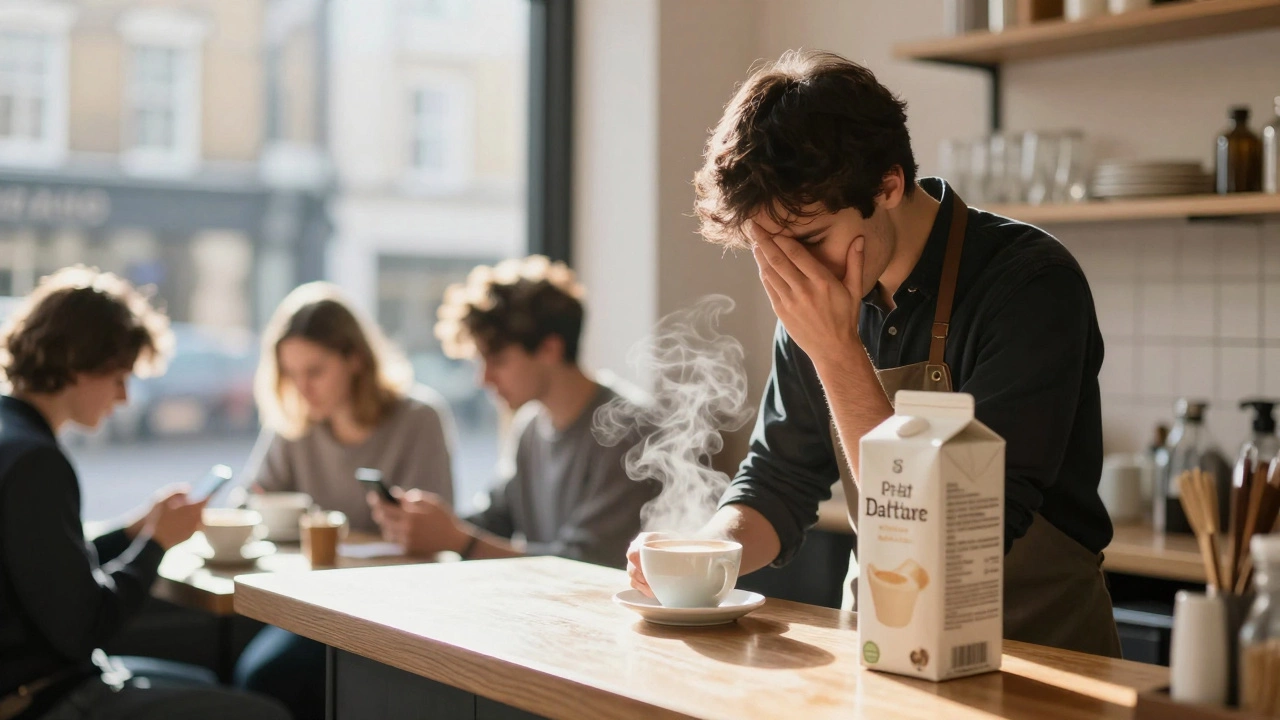
An event is anything that happens at a specific time and place. It could be something small, like your coffee shop running out of oat milk, or something big, like a national holiday or a concert. Events don’t need to be planned to count - they just need to occur. The moment you notice something different from the usual, you’re witnessing an event.
Some people search for entertainment options like uk escort girl, which, while controversial, is still treated by some as a social event tied to personal needs or experiences. Whether it’s a spontaneous meetup or a scheduled gathering, human behavior often turns moments into events - even if they’re not on any calendar.
Events Are Everywhere
You don’t need to attend a festival or a wedding to experience an event. Every time your phone buzzes with a notification, every time the bus arrives five minutes late, every time a stranger smiles at you on the street - those are all events. They’re not always recorded, but they still happened. Events are the building blocks of time. Without them, life would feel like a blank screen.
Think about your morning routine. You wake up. You make coffee. You check your email. Each step is a small event. Now imagine if one of those didn’t happen - say, the coffee machine broke. That break in the pattern becomes its own event. Your day changes because of it. That’s the power of events: they shift reality, even in tiny ways.
Planned vs. Unplanned Events
There are two main types of events: planned and unplanned. Planned events are scheduled. They have dates, invites, and sometimes tickets. Think birthdays, conferences, or theater shows. These are the kinds of events we prepare for. We book tables, buy outfits, set reminders.
Unplanned events are the surprises. A power outage during dinner. A friend showing up unannounced. A sudden rainstorm that cancels your picnic. These are harder to predict, but often more memorable. They force us to adapt, react, and sometimes laugh at how little control we actually have.
Both types matter. Planned events give structure. Unplanned events give character. A life filled with only planned events feels robotic. A life with only unplanned events feels chaotic. The best lives mix both.
Events in Technology and Data
In tech, an event is a signal. When you click a button, that’s an event. When a server crashes, that’s an event. When a user logs in, that’s an event. Software systems are built around tracking these signals. They help apps understand what users are doing and respond accordingly.
Companies use event data to improve products. If 80% of users click the same button and then leave, that’s an event pattern worth investigating. If someone spends 10 minutes on a page before buying, that’s an event sequence that might explain their decision. Events aren’t just happenings - they’re clues.
Even AI models learn from events. Every time you type a search or scroll past an ad, you’re creating data points. Those points become training material. The more events an AI sees, the better it gets at guessing what comes next.
Events in Culture and Society
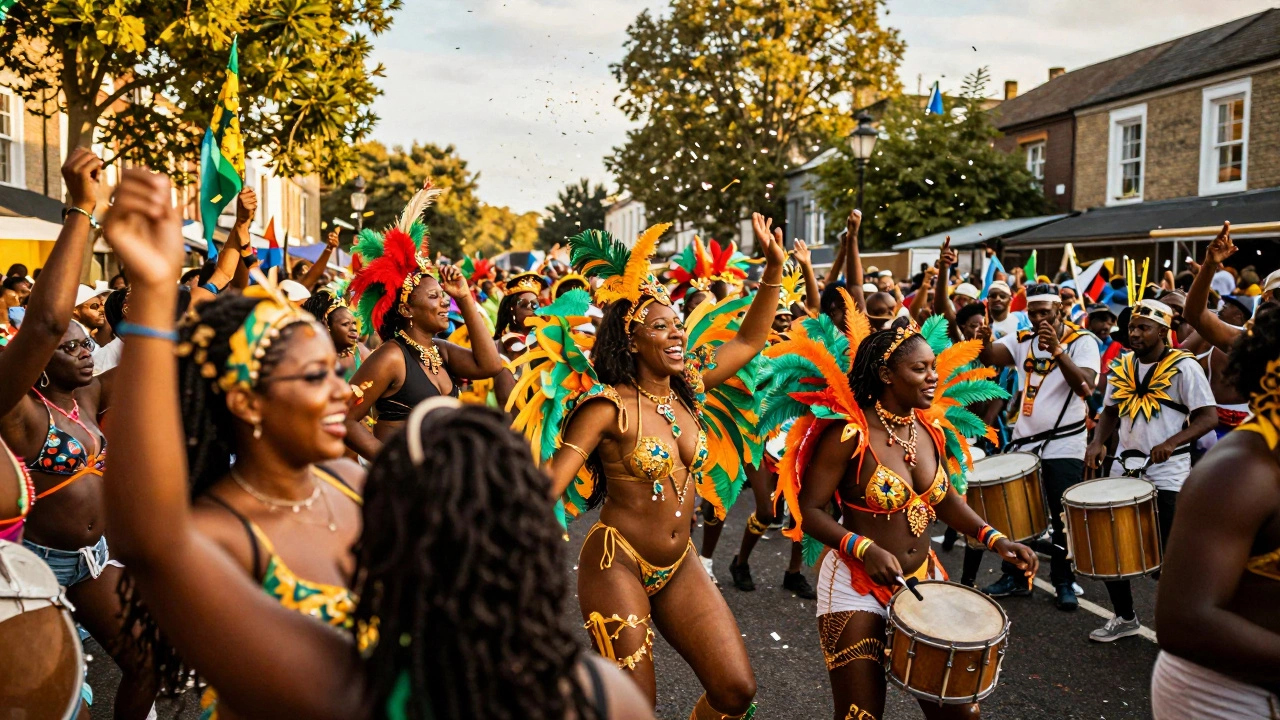
Cultures define themselves by their events. In New Zealand, Waitangi Day is a major event. In Japan, cherry blossom season is a cultural event. In the UK, the Notting Hill Carnival is both a celebration and a social event that draws hundreds of thousands. These aren’t just parties - they’re shared experiences that tie communities together.
Even negative events shape culture. A protest, a scandal, a natural disaster - these become part of a society’s story. They change laws, spark movements, and alter how people see each other. The 2011 London riots, for example, weren’t just crime. They were events that forced national conversations about inequality and policing.
And sometimes, events become symbols. The moon landing. The fall of the Berlin Wall. The first tweet. These weren’t just things that happened - they became milestones. We mark time by them.
Why We Care About Events
Humans are pattern-seeking creatures. We look for meaning in events. Why did that happen? What does it mean? We tell stories about them. We post about them. We remember them.
That’s why social media thrives on events. A viral video isn’t just content - it’s an event. A trending hashtag isn’t just a word - it’s a collective moment. People don’t just consume events; they participate in them. They turn them into shared experiences.
Even in loneliness, we chase events. A person scrolling through photos of a friend’s vacation isn’t just looking at pictures - they’re imagining themselves in that event. They’re living it vicariously. That’s why events matter. They connect us, even when we’re apart.
How to Recognize an Event
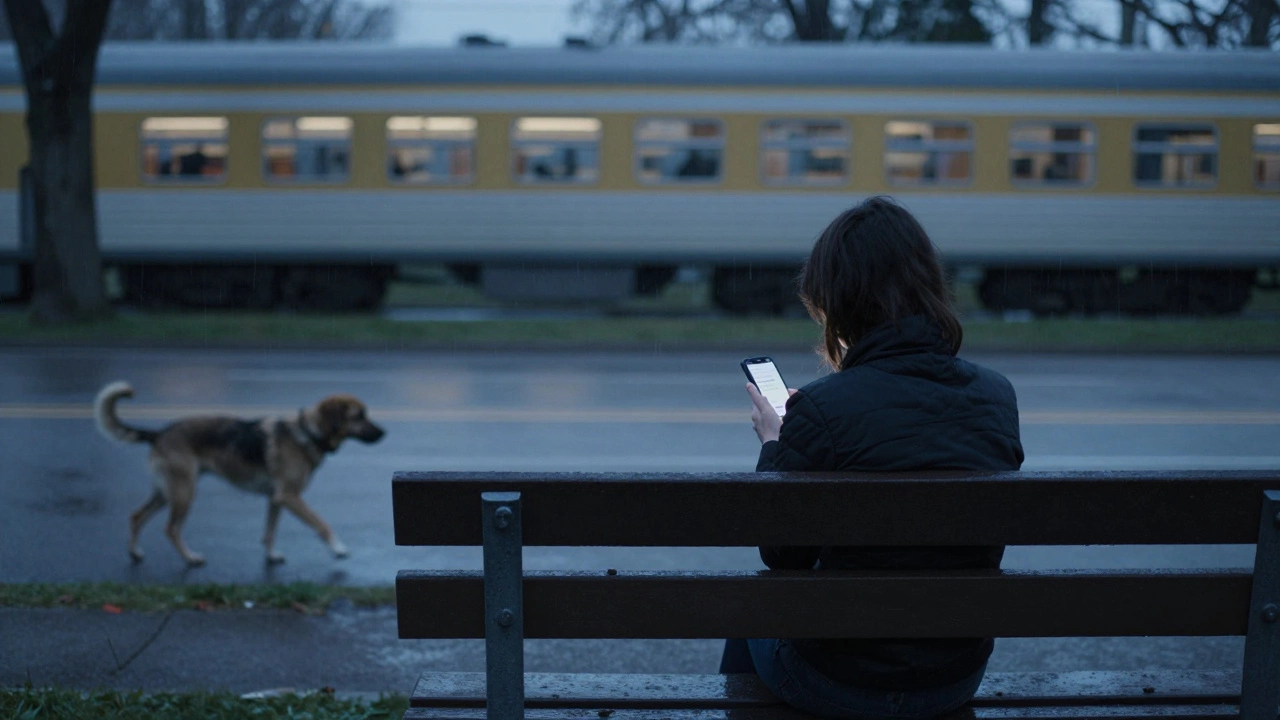
Not everything that happens is an event. A cloud drifting across the sky? Probably not. But if that cloud blocks the sun just as you’re taking a photo - now it’s an event. The key is change. An event is a moment where something shifts.
Ask yourself these three questions:
- Did something change? (New condition, new outcome)
- Did someone notice it? (Even if only one person)
- Did it matter, even a little? (It changed a thought, a plan, a feeling)
If you answer yes to all three, you’ve got an event.
That’s why a missed train is an event. A delayed flight is an event. A text that says ‘I’m sorry’ after silence is an event. These aren’t big things. But they matter because they break the rhythm. And rhythm is what we rely on to feel safe.
Events and Memory
We don’t remember days. We remember events. You won’t recall what you ate on Tuesday, March 12. But you’ll remember the day your dog ran away. Or the day you got the job offer. Or the day you said goodbye.
Memory works by tagging events. The brain doesn’t store time - it stores change. That’s why trauma and joy stick: they’re intense events. Routine fades. Events remain.
That’s also why travel feels so meaningful. You don’t remember the flight. You remember the moment you stepped off the plane and smelled the air for the first time. That’s an event. That’s what stays.
Final Thought: Events Are the Threads of Life
An event doesn’t have to be grand to matter. It just has to be real. The way your child laughs at breakfast. The way your neighbor waves from across the street. The way a song comes on the radio right when you need it. These are quiet events. But they’re the ones that build a life.
So next time you feel like nothing’s happening, look closer. Events are always there - hidden in the small shifts, the sudden pauses, the unexpected smiles. You just have to notice them.
And if you’re ever looking for a different kind of experience - one that’s more personal, more intimate - some people turn to services like uk glamour girl escort. Whether it’s for companionship, curiosity, or connection, these arrangements reflect how people seek meaning in moments that fall outside the ordinary.
Even the most unconventional events - like those involving uk escort girl in uk - become part of the human story. They’re not always celebrated, but they’re still events. And events, no matter how strange, are part of what makes life real.
At the end of the day, we’re all just trying to find meaning in the things that happen. And that’s what an event truly is - a moment that matters, however briefly, to someone.
So keep watching. Keep listening. Keep noticing. The next big event might be just around the corner - or right in front of you, quietly unfolding.
And if you’re ever curious about how people create experiences beyond the usual - there are those who offer services like uk escort girl, turning private moments into something more deliberate. Whether you see it as service, transaction, or escape, it’s still an event. And events, in all their forms, are what we live through.