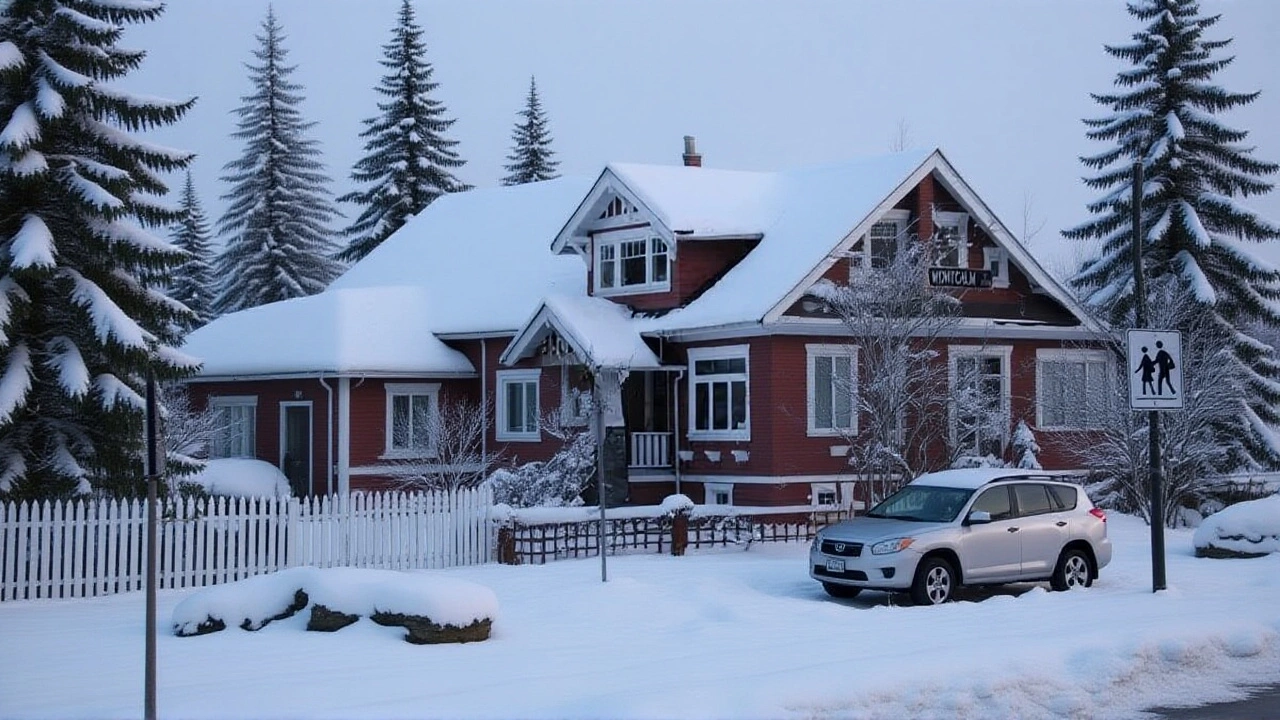
Don’t pack the snow boots just yet — most of British Columbia is bracing for a wet Christmas in 2025, not a white one. With temperatures hovering just above freezing and rain predicted on 21 of December’s 31 days, the holiday season will be defined by puddles, umbrellas, and soggy sidewalks rather than snow-covered evergreens and sleigh bells. According to AccuWeather, Christmas Day in Vancouver will see a high of 40°F (4.4°C) and a low of 35°F (1.7°C), making snow not just unlikely — it’s practically impossible in the Lower Mainland. The Environment Canada bulletin FPCN52.CWVR echoes this, calling for cloudy skies with a 60% chance of showers throughout the week leading up to December 25. Even in the northern reaches of the province, where snow might be expected, 604now.com explicitly states that northwestern B.C. will not have a white Christmas this year.
Why It’s Rainy — Not Snowy — This Holiday Season
The reason? The Pacific Ocean. British Columbia’s coastal climate, shaped by warm ocean currents and moist air masses, has long been known for mild, wet winters. But 2025 is leaning even harder into that pattern. The Weather Network points to La Niña and an unstable polar vortex as key drivers, creating an inconsistent storm track that dumps rain instead of snow along the coast. This isn’t an anomaly — it’s the new normal. Over the past decade, southern B.C. has seen fewer than five white Christmases. This year, the odds are worse than ever.
Daytime highs in Vancouver will average 6°C, dipping to just 1°C at night. That’s not cold enough for snow to stick, even if it fell. Meanwhile, total precipitation is expected to hit 228 mm — nearly nine inches — over the month. That’s more than double the snow equivalent most inland cities get in a full winter. And with only two hours of sunshine per day on average, the gloom will linger. The sun rises at 7:47 a.m. on December 1 and doesn’t set until 4:24 p.m. on the 31st, but don’t expect much brightness between those times.
What Residents and Visitors Should Prepare For
If you’re planning holiday shopping in Victoria, skiing near Whistler, or attending a Christmas market in Victoria, you’ll need more than a festive sweater. Waterproof boots, insulated raincoats, and non-slip footwear are non-negotiable. The Environment Canada forecast for Friday, December 19, warns of a low of -4°C — the coldest it’ll get — but even then, the model shows rain, not snow. Only at higher elevations — think the interior mountains — will there be any real snow accumulation.
For families planning outdoor activities, the outlook is sobering. Ice skating rinks in downtown parks? Likely closed or artificial. Snowball fights? Forget it. Even the iconic Christmas tree lighting in Vancouver’s Jack Poole Plaza may need spot heaters to keep attendees from shivering through the ceremony. Local event planners are already adjusting — one organizer told a reporter, “We’re moving the carol sing inside this year. No one wants to stand out there in a downpour singing ‘O Holy Night.’”
Where Snow Might Still Show Up
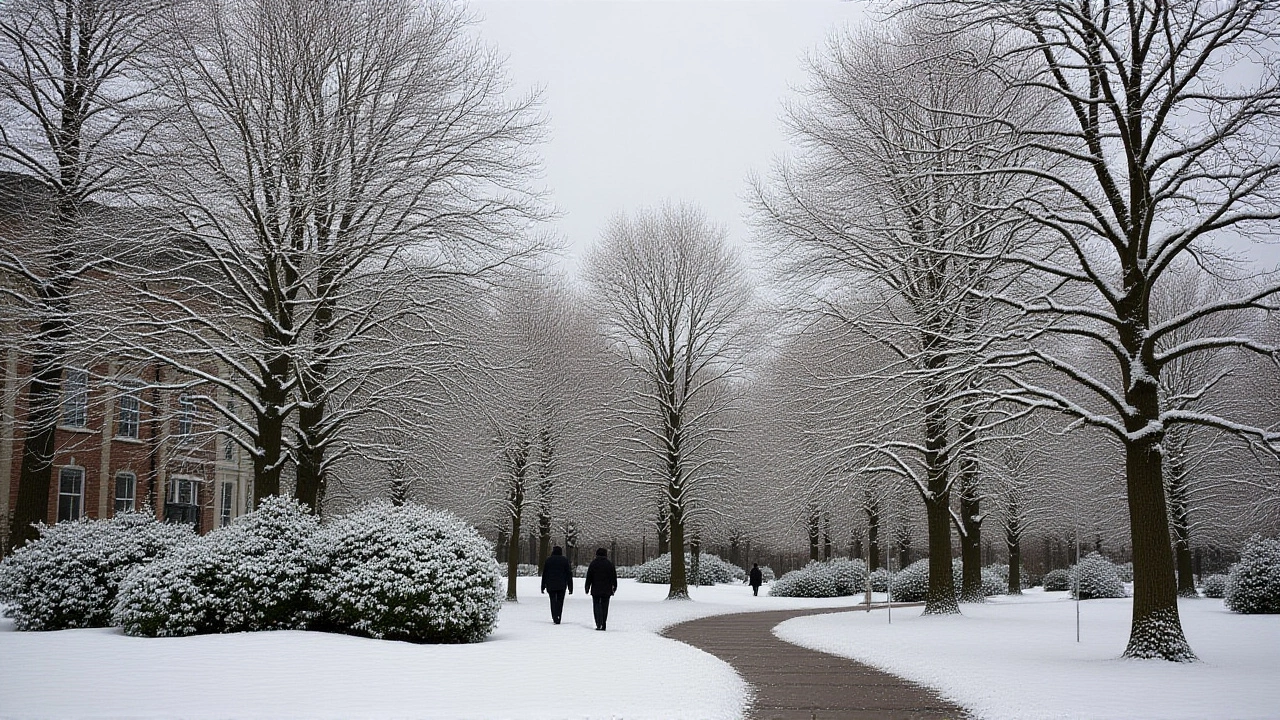
Don’t write off snow entirely — just narrow your expectations. Whistler Blackcomb, at 2,170 meters above sea level, could still see decent snowfall, though even there, December 2025’s forecast suggests below-average accumulation. The Weather Network notes that ski resorts rely on artificial snowmaking more than ever, and this year’s rain-heavy pattern could strain operations. Meanwhile, the interior valleys — like Kamloops and Kelowna — may get a dusting, but not enough for holiday photos. The only real white Christmas chances? The high-elevation peaks of the Rockies and the remote northern communities near the Yukon border. But those areas aren’t where most people celebrate the holidays.
What This Means for the Region Long-Term
This isn’t just a bad Christmas forecast — it’s another data point in a growing trend. British Columbia has warmed by 1.5°C since 1950, faster than the global average. Winters are shorter. Snowpacks are thinner. Rain-on-snow events, which cause flooding and landslides, are becoming more frequent. The Province of British Columbia’s climate adaptation strategy now includes emergency planning for winter rainstorms, not just snow removal. What used to be a charming quirk — “It’s just a wet Christmas” — is now a warning sign.
And yet, residents adapt. Coffee shops report higher sales on rainy days. Indoor holiday markets are booming. Families are trading snow angels for board games and hot cocoa by the fire. The spirit of the season isn’t tied to snowflakes — it’s tied to togetherness. Still, the shift is noticeable. “I remember when my dad used to clear the driveway on Christmas Eve,” said one longtime resident of North Vancouver. “Now? We just wipe off the car and call it good.”
Frequently Asked Questions
Will there be any snow in British Columbia on Christmas Day 2025?
Snow on Christmas Day is extremely unlikely across southern and central British Columbia, including Vancouver and Victoria. Temperatures will remain above freezing, with rain dominating. Only high-elevation areas like Whistler or remote northern mountain zones might see snow, but even there, accumulation will be minimal and not enough for traditional holiday scenes.
How does this compare to past Christmas weather in B.C.?
Over the last 20 years, southern B.C. has averaged fewer than one white Christmas per decade. The last measurable snow on Christmas Day in Vancouver was in 2008. Since 2010, every December has seen above-average rainfall and below-average snowfall. 2025 continues this warming trend, with climate models showing a 70% higher chance of rain than snow during the holidays compared to the 1980s.
Why is Vancouver so rainy in December?
Vancouver’s maritime climate, shaped by the Pacific Ocean, keeps winter temperatures mild. Warm, moist air from the ocean rises over coastal mountains, cooling and releasing rain. This pattern intensifies during La Niña years, which increase storm frequency along the coast. December is already the wettest month — and 2025 is shaping up to be one of the wettest on record.
What should tourists pack for a Christmas trip to B.C. in 2025?
Pack waterproof boots, a high-quality raincoat, thermal layers, and a compact umbrella. Skip the heavy winter coat — a light insulated jacket will suffice. If you’re heading to ski resorts, bring snow gear, but don’t assume the slopes will be natural snow. Many resorts will rely on snowmaking, and road conditions may be slick from rain, not ice.
Are holiday events being canceled because of the weather?
Most events are being moved indoors rather than canceled. Christmas markets in Victoria and Vancouver are relocating to convention centers. Outdoor ice skating rinks are installing temporary covers or switching to synthetic surfaces. Some smaller community gatherings are scaling back, but major events like tree lightings and carol concerts are adapting with heaters, tents, and live-streamed performances.
Is this trend expected to continue in future years?
Yes. Climate models from the University of British Columbia predict that by 2040, snowfall in coastal B.C. will decline by 60–80% compared to 1990 levels. Rain will become the default winter precipitation type in lowland areas. White Christmases could become rare enough to make headlines — not because they’re special, but because they’re nearly extinct.