
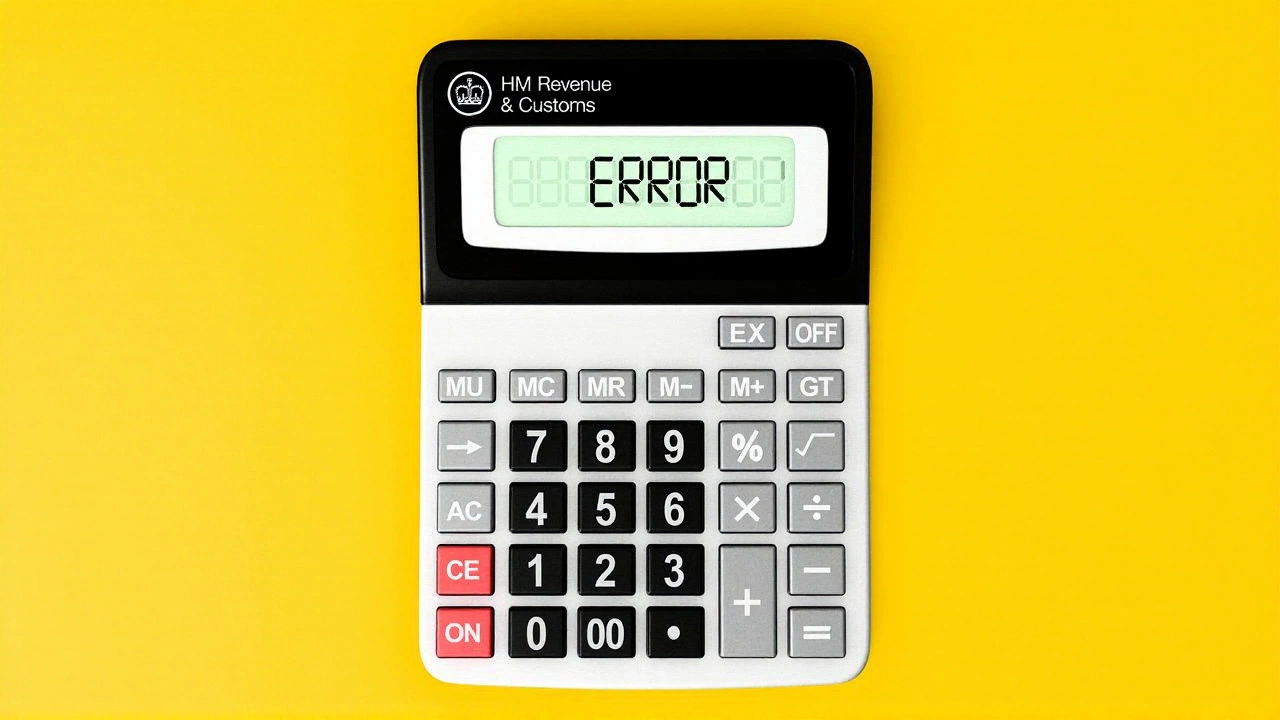
When HM Revenue and Customs admitted to a massive calculation blunder this week, the news hit home for millions of retirees across the United Kingdom. The agency has effectively overcharged up to 8.7 million state pensioners on their income tax, collecting an estimated £43.5 million in excess funds over the last year alone. It’s a bureaucratic headache that stems from a simple math error regarding how the annual "triple lock" pension increase is applied to tax records.
The twist? You don’t have to wait for HMRC to come knocking. If you’re one of the affected pensioners, you can claim your refund right now. But first, let’s break down exactly what went wrong, who it affects, and why a £5 discrepancy matters more than it sounds.
The Triple Lock Math Error
Here’s the thing: the UK state pension isn’t just a static number. It rises annually under the Triple Lock guarantee, which ensures the pension increases by whichever is highest: inflation, average earnings growth, or 2.5%. For the 2025/26 tax year, that weekly rate jumped to £230.25.
The problem arose because HMRC failed to adjust its tax calculations to reflect this change correctly. According to reporting from The Sunday Times and The Mirror, HMRC treated pensioners as if they were entitled to the new, higher rate for all 52 weeks of the tax year. In reality, the correct method involves a split: 51 weeks at the new rate and 1 week at the old rate. This bridging mechanism accounts for the gap between when the entitlement accrues and when the first payment at the higher rate is actually made.
By ignoring that single week of difference, HMRC inflated the taxable income figure for millions of people. As The Telegraph clarified, state pension tax is based on entitlement as it accrues over the year, not just when cash hits your bank account. That technicality created a ripple effect of overpayments.
Who Is Affected?
Not every pensioner owes—or rather, is owed—money here. The error only impacts those whose total income exceeds the personal allowance threshold. For the 2026/27 tax year, that tax-free limit sits at £12,570. If your combined yearly income (including your state pension) stays below that figure, you pay no income tax on your pension, so this glitch didn’t touch you.
But if you are liable for income tax, you’re likely in the mix. The mistake affects two main groups:
- Retirees filing via Self-Assessment: Those who declare their income annually through the self-assessment system had their pension entitlement overstated in their tax calculations.
- Pensioners still working: Individuals receiving a state pension while remaining in employment pay tax through the Pay As You Earn (PAYE) system. Their tax codes were similarly skewed by the inflated pension figures.
The impact varies by tax band. According to The Daily Express, basic-rate taxpayers overpaid approximately £1.81, higher-rate taxpayers paid about £3.62 extra, and additional-rate taxpayers saw a £4 surplus deduction. While these amounts seem trivial individually, aggregate them across 8.7 million people, and you get that staggering £43.5 million total.
Why Did It Take So Long?
The timeline here is a bit odd. Reports indicate that the issue was brought to HMRC’s attention back in August. However, the Department for Work and Pensions wasn’t formally notified until October. That three-month gap suggests internal communication delays within the government machinery.
As of late 2025, HMRC has yet to proactively contact every affected individual. Instead, they’ve issued a statement apologizing for the error while downplaying the financial sting. An HMRC spokesperson told The Independent: “We apologize to those affected by this error and are working diligently to resolve the issue, although the impact is minimal, with the tax difference typically being around £5.”
“Minimal” might be true per person, but for a retiree living on a fixed budget, every pound counts. Plus, the principle of accurate taxation matters. The government plans to implement a systemic fix later this summer, but that doesn’t help those who need their money back today.

How to Claim Your Refund
You don’t have to wait for a letter in the post. If you believe you’ve been overcharged, you can take action immediately. Here’s what you need to do:
- Contact HMRC: Call the Income Tax Enquiries line or write to them directly. Have your National Insurance number ready.
- Explain the Issue: Mention that you are a state pensioner affected by the 2025/26 tax year calculation error regarding the triple lock uprating.
- Request a Refund: Ask for a review of your tax code or self-assessment return to recover the overpaid amount.
If you pay tax through PAYE, HMRC may adjust your tax code going forward, which will reduce your future deductions until the balance is corrected. For self-assessment users, you may receive a direct repayment.
Frequently Asked Questions
How much money will I get back?
The average overpayment is approximately £5, but the exact amount depends on your tax band. Basic-rate taxpayers may recover around £1.81, higher-rate taxpayers about £3.62, and additional-rate taxpayers roughly £4. These figures represent the difference caused by taxing the full 52 weeks at the new rate instead of the correct 51-week split.
Am I affected if my income is below £12,570?
No. The error only impacts pensioners whose total annual income exceeds the personal allowance threshold of £12,570 for the 2026/27 tax year. If you do not pay income tax on your state pension because your income is below this limit, the calculation error did not result in any overcharging for you.
Will HMRC contact me automatically?
Currently, HMRC has not reached out to all affected individuals. While the government plans to implement a systemic solution later this summer, you are advised to proactively contact HMRC to claim your refund. Waiting for automatic notification could delay your reimbursement significantly.
Why did HMRC make this mistake?
The error occurred because HMRC failed to apply the correct "bridging" rule for the annual triple lock pension increase. Instead of calculating tax based on 51 weeks at the new rate and 1 week at the old rate, they applied the new higher rate for all 52 weeks of the tax year, inflating the taxable entitlement for millions of pensioners.
Does this affect both PAYE and Self-Assessment taxpayers?
Yes. The miscalculation impacted both groups. Pensioners who remain in employment and pay tax via the Pay As You Earn (PAYE) system had incorrect tax codes. Similarly, those filing via Self-Assessment had their pension income overstated in their tax returns, leading to overpayments in both scenarios.